The thermal performance of building materials has never been more crucial, especially in the context of energy efficiency and sustainability. With rising energy costs and increasing environmental concerns, architects and builders are seeking solutions that offer both aesthetic appeal and high-performance capabilities. Advanced aluminum systems, particularly in the form of windows and doors, stand out as a compelling choice.
The Role of Thermal Performance in Building Design
When considering the thermal performance of any material, we look at how well it insulates against heat transfer. This is particularly important in climates with extreme temperatures—whether hot or cold—as it directly impacts energy consumption for heating and cooling. For instance, a poorly insulated window can account for up to 30 percent of a home’s energy loss. Thus, selecting the right materials is not merely about aesthetics but also about long-term savings and environmental impact.
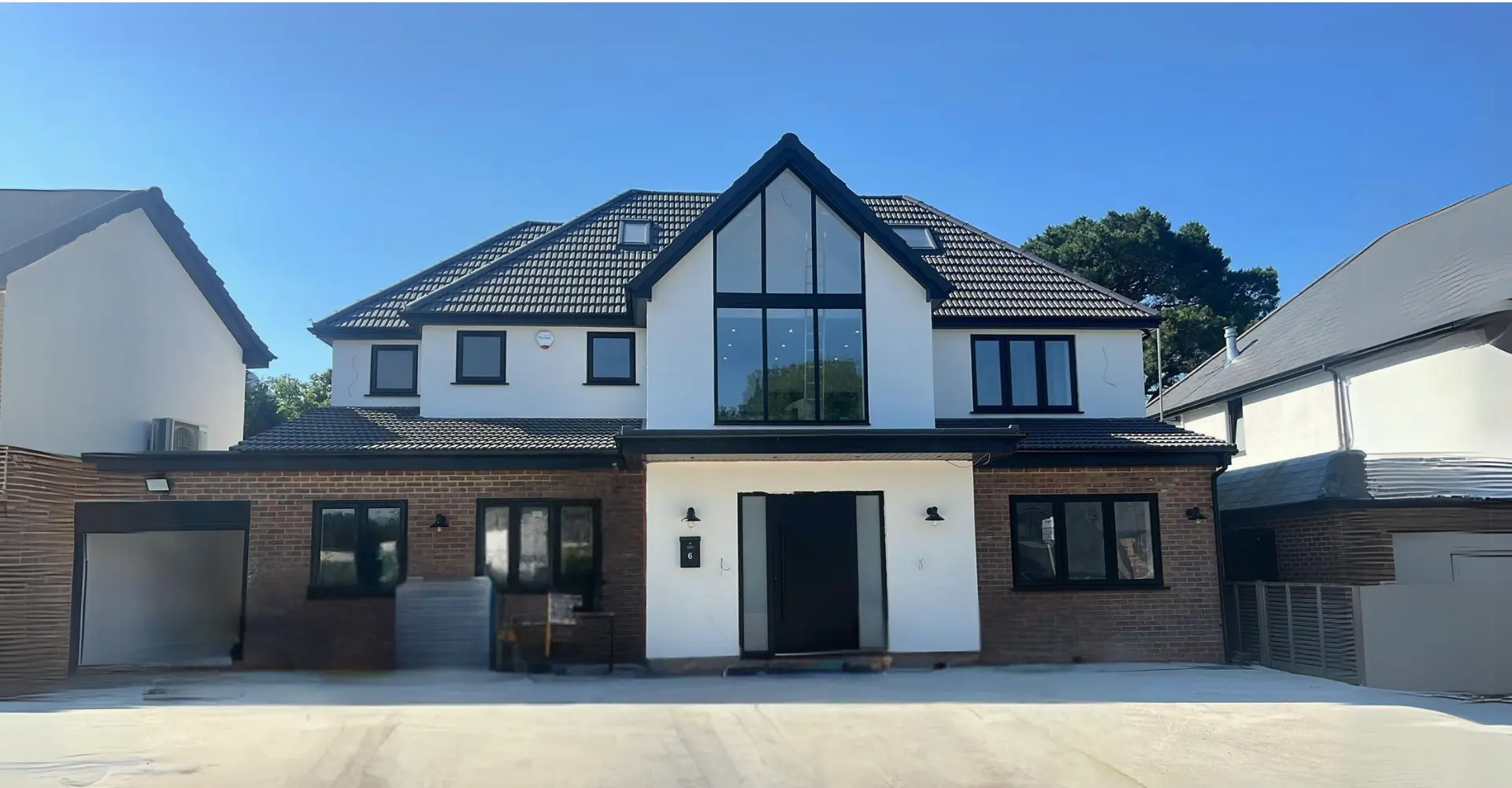
Advanced aluminum systems have evolved to meet these demands. Once criticized for their thermal conductivity, modern aluminum profiles incorporate innovative technologies that significantly enhance their insulating properties. By utilizing thermal breaks—materials inserted between the interior and exterior surfaces—manufacturers can drastically reduce heat transfer.
Innovations in Aluminum Systems
Innovations in aluminum technology have paved the way for enhanced thermal performance. One significant advancement is the use of polyamide thermal breaks, which provide superior insulation compared to traditional systems. These breaks prevent heat from traveling through the metal frame, keeping indoor temperatures stable.
Another noteworthy innovation is the integration of low-emissivity (low-E) glass into aluminum window frames. Low-E coatings reflect infrared light while allowing visible light to pass through. This means that during summer months, less solar heat enters the building, while in winter, indoor heat remains trapped inside. Consequently, homes equipped with these advanced systems enjoy year-round comfort without skyrocketing energy bills.
Real-World Applications
In London’s ever-evolving architectural landscape, aluminum windows and doors have gained popularity among builders and homeowners alike. For instance, consider a newly constructed residential complex featuring large aluminum-framed windows paired with low-E glass. The design not only enhances curb appeal but also ensures that residents experience lower heating expenses during chilly winters.
Moreover, commercial buildings equipped with advanced aluminum systems demonstrate significant energy savings as well. Studies show that businesses can reduce their annual energy costs by over 15 percent when opting for high-performance aluminum windows instead of standard models.
Evaluating Energy Efficiency Ratings
Energy efficiency ratings provide essential insights into a product's thermal performance. The U-value measures how effective a building element is as an insulator; lower values indicate better insulation properties. For example, if you’re sourcing aluminum windows in London from reputable manufacturers, look for products boasting U-values below 1.4 W/m²K for optimal performance.
Another critical metric is the Solar Heat Gain Coefficient (SHGC), which indicates how much solar radiation passes through a window or door system. Ideally, an SHGC rating between 0.25 and 0.35 strikes a balance between allowing natural light while minimizing unwanted solar heat gain during warmer months.
Making Informed Choices: Key Considerations
When selecting advanced aluminum products for your project, several factors must be taken into account:
- Climate Considerations: Your geographical location plays a significant role in determining which type of glazing and frame configuration will suit your needs best. Aesthetic Preferences: Advanced aluminum systems are available in various finishes and styles to complement your design vision. Manufacturer Reputation: Partnering with established aluminium door manufacturers in London ensures access to high-quality materials backed by warranties. Cost vs Value: While high-performance options may come with a higher upfront cost compared to standard models, they often yield substantial long-term savings on energy bills. Maintenance Requirements: Aluminum frames are typically low maintenance; however, ensuring proper care will prolong their lifespan and performance.
These considerations guide homeowners and builders alike towards making informed decisions tailored to their specific needs while maximizing value over time.
Sustainability Aspects of Advanced Aluminum Systems
Sustainability is increasingly influencing choices across construction sectors today; advanced aluminum systems align well with this trend due to several inherent advantages:
Recyclability: Aluminum is infinitely recyclable without losing its properties—a significant advantage over other materials like PVC.
Longevity: High-quality aluminum frames resist rust and corrosion over time; thus they tend to last longer than alternative materials.
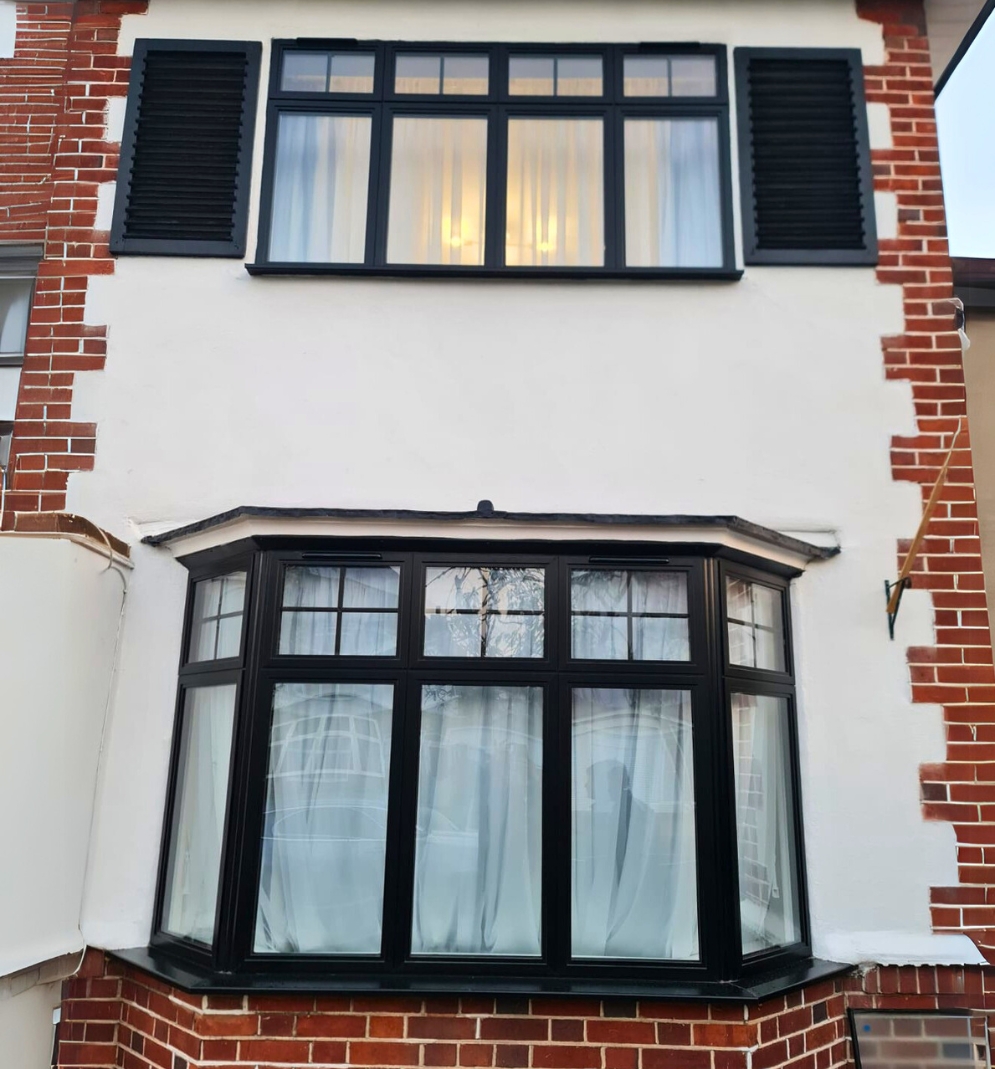
Reduced Energy Consumption: The improved thermal performance leads to lower overall energy consumption throughout the life cycle of the building.
Manufacturers are also adopting sustainable practices such as using recycled content in their products or implementing eco-friendly production processes—further enhancing their appeal within green building initiatives.
Case Studies of Successful Implementations
Several projects stand out as exemplary implementations of advanced aluminum systems that effectively demonstrate thermal efficiency:
- The Shard: This iconic skyscraper utilizes high-performance glazing within its extensive aluminum framework contributing to reduced carbon emissions. The Tate Modern Extension: Featuring large glass panels set within robust aluminum frames allows natural light while minimizing heating requirements for gallery spaces.
Both examples illustrate how embracing modern materials can lead not only to aesthetic advancements but also significant improvements in energy efficiency—and consequently sustainability—over time.
Future Trends
Looking ahead at emerging trends within this https://jsbin.com/kikevozave sector reveals exciting possibilities for further enhancements in thermal performance from advanced aluminum systems:
- Smart Glazing Technologies: Integration of smart glass technologies could enable dynamic adjustments based on outdoor conditions—enhancing comfort even further without manual intervention. Improved Insulation Materials: Continuous research into innovative insulation materials promises even greater reductions in U-values across various product lines.
These developments indicate that advanced aluminium windows and doors will become increasingly efficient—a crucial evolution given global efforts toward reducing carbon footprints across industries.
As awareness grows surrounding climate change mitigation strategies alongside rising consumer expectations regarding building efficiency standards; investing wisely today—especially when it comes down to choosing quality aluminium door manufacturers London-based options yields lasting benefits down the line!
By understanding both current capabilities as well as anticipating future innovations; stakeholders—from architects designing new projects through homeowners considering renovations—can confidently embrace modern solutions rooted firmly within practical realities shaped by lived experiences encountered throughout this journey toward improving overall thermal performance via advanced aluminium systems!